
Data center construction is where meticulous planning meets unforgiving reality. Whether you’re building your first facility or your fiftieth, the difference between success and costly setbacks often comes down to lessons learned the hard way—under raised floors, during emergency outages, and through projects that went sideways despite the best intentions. These twelve tips distill practical wisdom from years spent in the trenches, offering insights that go beyond textbook theory to address the real-world challenges that separate exceptional data centers from merely functional ones.
The truth about data center construction is humbling: you’re building critical infrastructure that must work flawlessly on day one and adapt gracefully through technological revolutions you cannot predict.
1. Plan for Scalability from Day One Design your infrastructure with modular growth in mind. Build in phases but plan the entire footprint upfront—including power feeds, cooling loops, and structural capacity. This prevents costly retrofits and allows you to expand without disrupting operations.
2. Prioritize Power Density Mapping Early Don’t wait until equipment arrival to plan power distribution. Map out rack-level power density requirements during design phase. This prevents over-provisioning in some areas while creating bottlenecks in others, optimizing both capital and operational expenditure.
3. Implement Prefabrication Wherever Possible Leverage factory-built components for electrical rooms, cooling systems, and even raised floor sections. Prefabrication reduces on-site labor by 30-40%, improves quality control, and significantly compresses construction schedules.
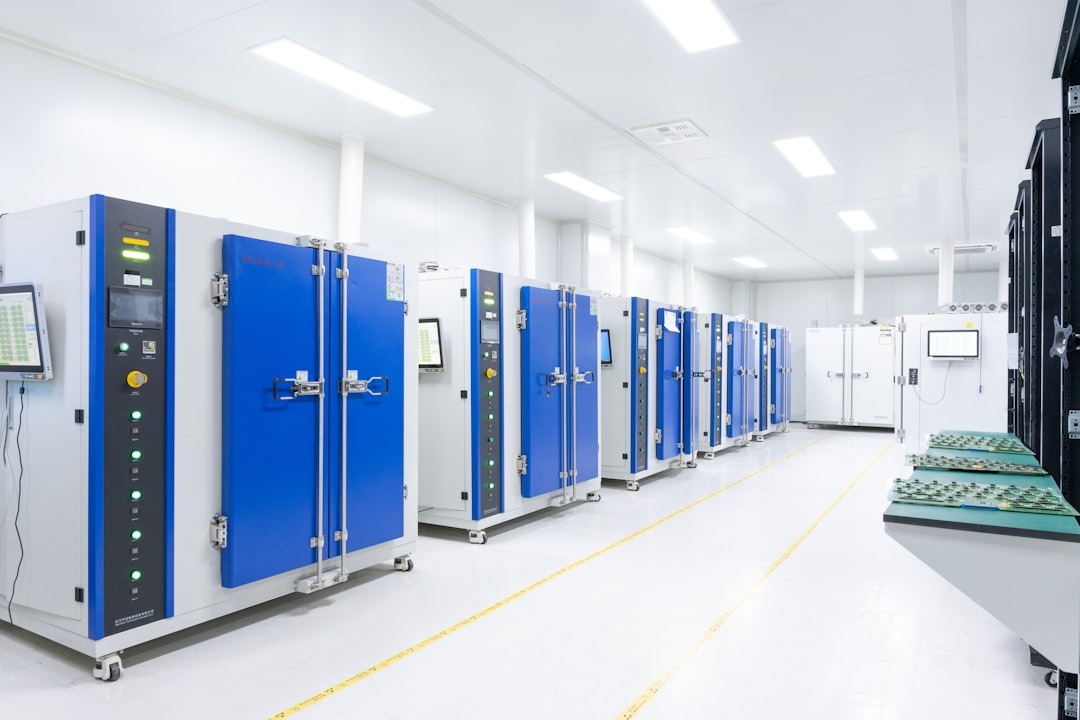
4. Build Commissioning into Your Timeline Too many projects treat commissioning as an afterthought. Integrate testing protocols throughout construction—not just at the end. Progressive commissioning catches issues early when they’re cheaper to fix and ensures systems work together as intended.
5. Design for Operational Access Your construction team isn’t the only one who needs to navigate the facility. Plan maintenance corridors, cable tray accessibility, and equipment clearances with long-term operations in mind. A facility that’s difficult to maintain becomes exponentially more expensive to operate.
6. Establish Clear Cable Management Standards Poor cable management causes 60% of network downtime incidents. Define and enforce labeling conventions, routing standards, and documentation requirements before the first cable is pulled. This discipline pays dividends for decades.
7. Don’t Underestimate Site Logistics Coordinate delivery schedules meticulously. Large transformers, chillers, and generators require crane access and specific sequencing. A single delivery conflict can cascade into weeks of delays. Create a detailed logistics plan and update it religiously.
8. Invest in Redundancy Testing Simply installing N+1 or 2N systems isn’t enough. Test every failover scenario under load before going live. Many “redundant” systems have single points of failure that only reveal themselves during actual outages—when it’s too late.
9. Build Flexibility into Cooling Infrastructure IT loads and efficiency standards evolve constantly. Design cooling systems that can adapt to different strategies—hot aisle containment, liquid cooling, rear-door heat exchangers. The extra upfront investment in flexibility prevents obsolescence.
10. Document Everything in Real-Time As-built documentation created months after construction is invariably inaccurate. Capture photos, measurements, and configuration details as work progresses. This documentation becomes invaluable during troubleshooting and future expansions.
11. Engage Operators During Design The people who will run the facility daily have insights designers miss. Involve operations staff early to review layouts, access points, and monitoring strategies. Their practical experience prevents design flaws that look good on paper but fail in reality.
12. Plan for Decommissioning from the Start Data centers have lifecycles. Design systems that can be upgraded or replaced without massive disruption. Modular components, accessible cable pathways, and well-documented interdependencies make future changes manageable rather than nightmarish.
The Bottom Line…
Efficient data center construction isn’t about cutting corners—it’s about intelligent planning, disciplined execution, and designing for the entire lifecycle rather than just ribbon-cutting day. The facilities that perform best twenty years after opening are those where construction teams thought beyond the immediate build and considered every phase of operation, maintenance, and evolution. Your construction approach today determines whether you’ll have a strategic asset or an operational burden tomorrow.
Leave a Reply