

As enterprises push computing power closer to end users, edge data centers have become critical infrastructure for reducing latency and improving application performance. From autonomous vehicles requiring split-second processing to augmented reality applications demanding real-time responsiveness, the need for distributed computing at the network’s edge has never been more urgent. At the heart of this transformation is modular design—a flexible, scalable approach that’s reshaping how we deploy and manage distributed computing resources.
Perhaps the most profound impact of modular edge design lies not in its technical specifications, but in its power to democratize access to advanced computing infrastructure. For decades, sophisticated data center capabilities remained the exclusive domain of large enterprises with deep pockets and specialized expertise. Modular design changes this equation fundamentally.
Modular edge data centers use prefabricated, self-contained units that integrate power, cooling, and IT infrastructure into standardized components. Unlike traditional data centers built from the ground up with custom specifications, these modules arrive at deployment sites as complete, tested systems ready for immediate integration. Each module functions as a micro data center, housing servers, networking equipment, uninterruptible power supplies, and cooling systems within a single enclosure that can range from the size of a shipping container to a small room.

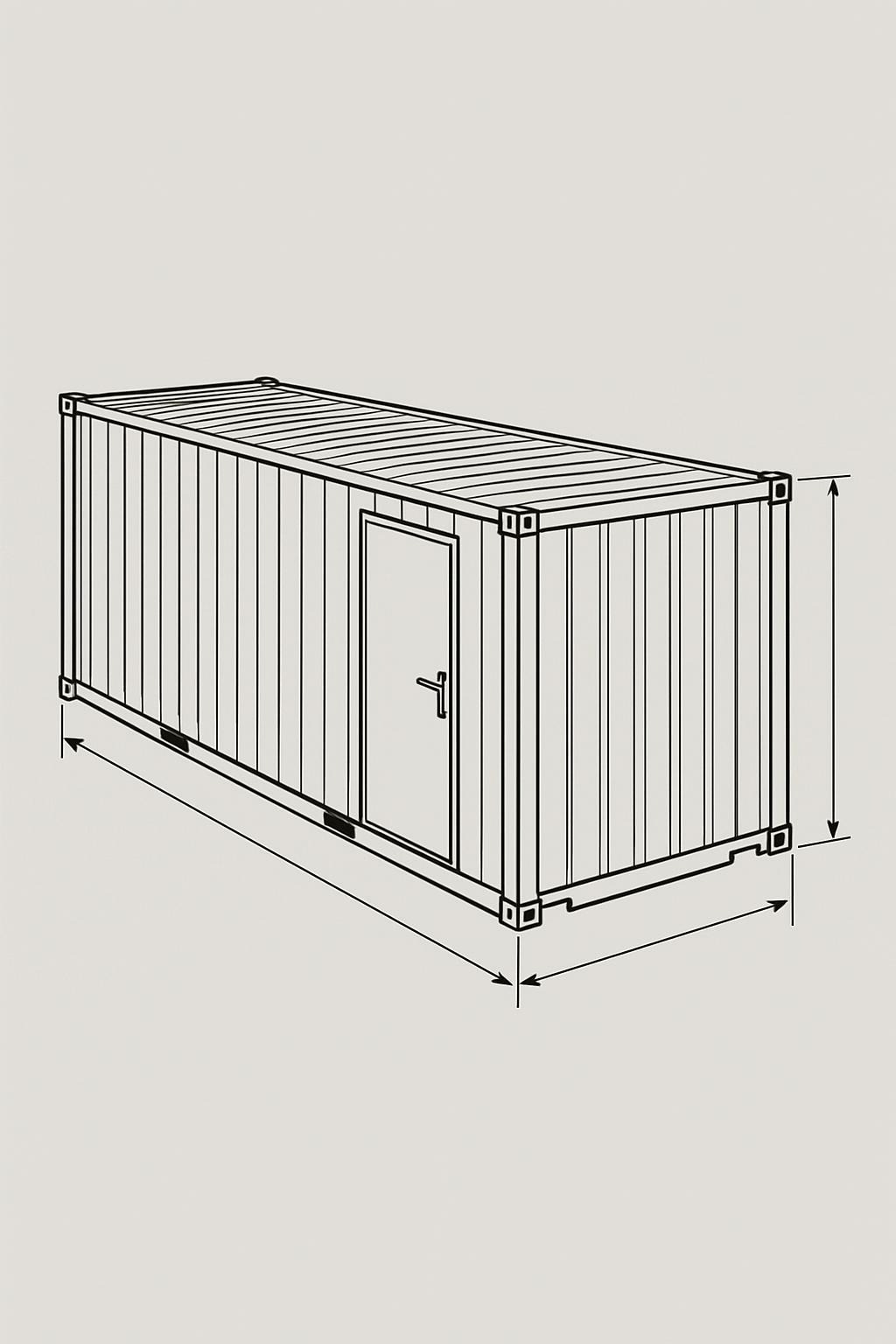
This design philosophy addresses several key challenges inherent to edge computing. Rapid deployment timelines become achievable when construction happens in controlled factory environments rather than on-site. Space constraints in urban environments, retail locations, or cellular tower sites are more easily accommodated with compact, efficient modules. The need for consistent performance across geographically dispersed locations is met through standardization—every module delivers predictable capacity and reliability regardless of where it’s deployed. A facility that might take 18 months to build traditionally can now be operational in weeks, dramatically accelerating time-to-market for new services and applications.
The scalability advantages are equally compelling. Organizations can start small and expand capacity incrementally as demand grows, avoiding the capital risk of overbuilding. This pay-as-you-grow model aligns infrastructure investment directly with business needs—particularly valuable in edge computing where demand patterns can be unpredictable. A retail chain, for example, might deploy basic modules initially and add compute capacity during peak shopping seasons or as customer traffic grows. Telecommunications providers can position modules near 5G towers and scale them based on actual network usage rather than projected estimates.
Modular designs also improve operational efficiency across multiple dimensions. Standardized components simplify maintenance procedures, reduce spare parts inventory requirements, and enable remote management capabilities across multiple sites through centralized monitoring platforms. When issues arise, entire modules can be swapped out with minimal downtime—a crucial advantage for edge locations that may lack on-site technical staff or where prolonged outages would significantly impact business operations. The factory-assembled nature of modules also means higher build quality and more rigorous pre-deployment testing compared to field-assembled systems.
Energy efficiency represents another significant benefit. Modern modular designs incorporate advanced cooling technologies like liquid cooling, hot aisle containment, and intelligent airflow management optimized for smaller footprints. Power distribution is streamlined with integrated UPS systems and power management software that can dynamically allocate resources based on workload demands. Many modules now include options for renewable energy integration, allowing edge sites to reduce their carbon footprint while lowering operational costs.
The economic model shifts favorably as well. Modular infrastructure can be treated as operational expenditure rather than capital expenditure in many financial structures. Leasing options, vendor-managed services, and infrastructure-as-a-service models become more viable when dealing with standardized, portable units. This financial flexibility appeals particularly to organizations testing new markets or deploying edge computing as part of digital transformation initiatives where business cases are still evolving.
As 5G networks expand and IoT deployments accelerate, the edge computing landscape will only grow more complex. Smart cities will require distributed computing nodes throughout urban infrastructure. Manufacturing facilities will deploy edge resources to support real-time analytics and automation. Healthcare providers will need low-latency processing for telemedicine and remote patient monitoring. Modular design provides the architectural foundation to meet this challenge with agility, efficiency, and scale.
Wrapping Up with Key Insights
Modular design has emerged as the cornerstone of successful edge data center deployment strategies. The combination of rapid deployment, incremental scalability, operational simplification, and financial flexibility makes modular approaches ideally suited for the distributed, dynamic nature of edge computing. Organizations embracing this architecture gain the ability to respond quickly to market opportunities, manage infrastructure costs more effectively, and maintain consistent service quality across diverse locations. As edge computing continues its trajectory from emerging technology to essential infrastructure, modular design principles will play an increasingly central role in shaping how we build, deploy, and manage the distributed computing resources powering tomorrow’s digital experiences. The question for most organizations is no longer whether to adopt modular edge infrastructure, but how quickly they can implement it to maintain competitive advantage.
Leave a Reply