
Edge computing is redefining where and how we deploy IT infrastructure. As applications demand millisecond latencies, IoT devices proliferate exponentially, and 5G/6G networks push bandwidth to the network’s periphery, the traditional model of centralized data centers becomes increasingly inadequate. Edge infrastructure brings computing power closer to end users and data sources—into retail stores, manufacturing floors, telecommunications hubs, smart city nodes, and remote locations that have never hosted IT equipment before.
Edge infrastructure is compelling because it acknowledges a fundamental truth: the future of computing isn’t about building bigger centralized facilities, but about intelligently distributing capability to the many of endpoints where data originates and actions occur—meeting the world where it actually operates rather than forcing it to come to the core.
This distributed paradigm creates design challenges fundamentally different from those of traditional data centers: extreme space constraints, hostile environmental conditions, limited on-site expertise, and the need to deploy and manage thousands of sites efficiently. The innovative solutions emerging to address these challenges aren’t simply miniaturized versions of conventional approaches—they represent fundamentally new thinking about how infrastructure should be designed, deployed, and operated when distribution and autonomy become primary requirements.
Micro Modular Designs for Constrained Spaces
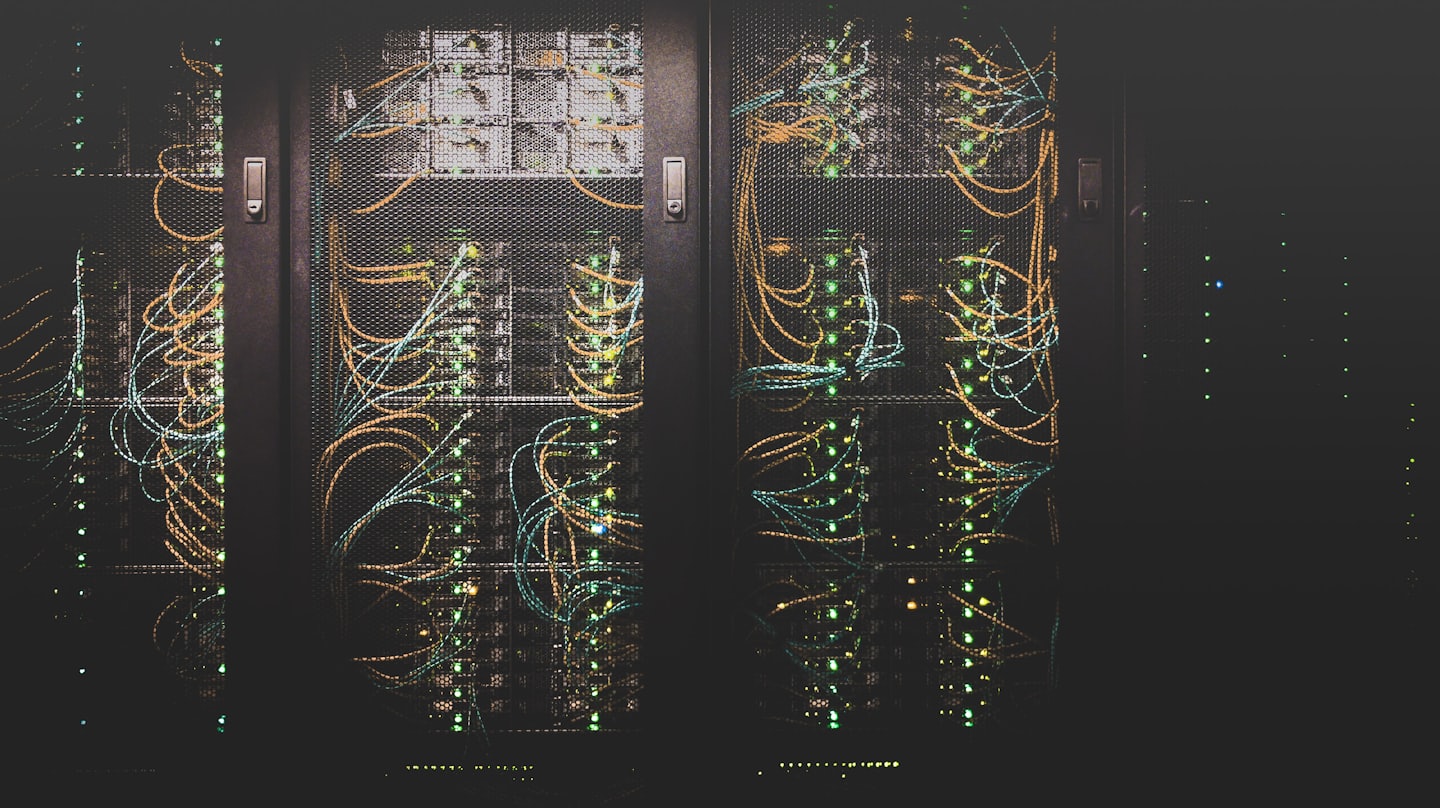
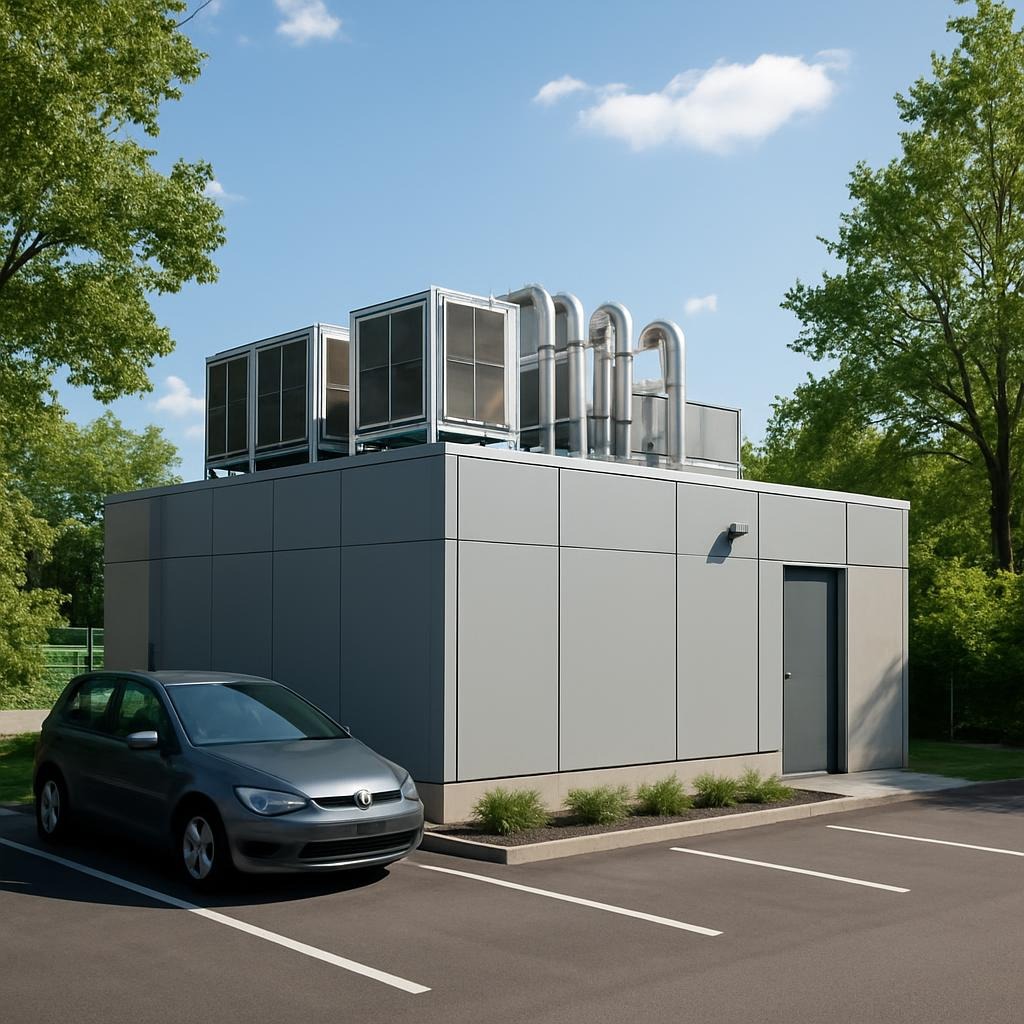
Traditional rack-based infrastructure assumes generous floor space and standard ceiling heights. Edge deployments often have neither. Innovative solutions embrace micro modular designs—complete computing environments compressed into cabinets, wall-mounted enclosures, or under-desk units measuring cubic feet rather than square meters. These micro modules integrate servers, networking, storage, power conditioning, cooling, and monitoring into incredibly compact form factors, often delivering 10-20 kW of compute capacity while fitting locations where traditional racks are impossible.
Integrated Cooling for Diverse Environments
Edge locations lack controlled environments data centers take for granted. Equipment must operate in retail stockrooms, outdoor telecom shelters, factory floors with temperature swings and contaminants, or urban micro-pods exposed to weather extremes. Self-contained cooling systems using closed-loop designs protect IT equipment from environmental factors while managing thermal loads efficiently. Liquid cooling adapted to edge scales enables higher densities in smaller footprints, with heat rejection strategies that leverage ambient air when possible but switch to refrigeration when conditions demand.
Zero-Touch Deployment and Remote Management
Traditional deployment assumes skilled technicians performing installation and commissioning. Edge deployments occur at thousands of sites where such expertise is unavailable or prohibitively expensive. Equipment arrives pre-configured, automatically discovers network connectivity, and self-provisions into management systems. Remote monitoring becomes foundational—every edge site must be fully operable from centralized NOCs. Predictive maintenance using AI analyzes telemetry to identify issues before failures occur, with automated remediation handling routine problems without human intervention.
Resilience Through Simplicity and Security
Traditional reliability relies on redundant complex systems—N+1 cooling, 2N power, redundant network paths. Edge deployments achieve resilience through simplicity rather than redundancy: robust component selection withstands environmental stresses, application-level resilience tolerates individual site failures, and rapid replacement with hot-swappable modules minimizes downtime. Physical security receives equal attention—edge sites often exist in locations with limited protection, requiring tamper-evident enclosures, intrusion detection, secure boot processes, encryption for data at rest and in transit, and zero-trust network architectures that assume breach and limit lateral movement.
Power Efficiency and Renewable Integration
Edge locations face power constraints—limited electrical service, expensive utility rates, or battery-dependent installations. Advanced power management dynamically adjusts consumption based on workload and available capacity. Low-power processors optimized for edge workloads deliver necessary performance while consuming a fraction of traditional server power. Renewable energy integration—solar, wind, fuel cells—reduces grid dependence where utility power is expensive or unreliable, with automated power management putting idle resources into low-power states to minimize environmental impact across thousands of distributed sites.
Standardized Building Blocks at Scale
Managing thousands of unique edge deployments creates operational impossibility. Aggressive standardization defines limited sets of reference architectures that address common edge use cases, with each becoming a tested, validated building block deployed repeatedly. Standardization extends beyond hardware to include network configurations, monitoring parameters, security policies, and operational procedures. When everything is standard, deployment becomes repeatable, troubleshooting becomes systematic, and procurement achieves economies of scale—constraining variety so operational complexity remains manageable.
Adaptive Infrastructure for Evolving Requirements
Edge requirements evolve as applications, technologies, and business models change. Modular architectures allow component refresh without wholesale replacement. Flexible power and cooling accommodate density increases. Software-defined capabilities enable functional changes through configuration rather than hardware swaps. Designs anticipate technology transitions— 5G to 6G, AI inference evolution, new application types—by providing headroom and flexibility, making adaptability more valuable than current-state optimization since infrastructure deployed today must serve requirements that don’t yet exist.
Orchestration Across Distributed Resources
Edge infrastructure isn’t isolated—it’s part of distributed computing fabric spanning edge sites, regional aggregation points, and cloud resources. Orchestration platforms manage workload placement across this continuum, balancing latency, cost, data sovereignty, and resource availability. Automated workload migration responds to changing conditions—network congestion, site failures, demand fluctuations. Unified visibility provides operational perspective across distributed infrastructure, with innovative financial models like operational expenditure approaches, shared infrastructure facilities, and automated management reducing costs to levels sustainable for distributed operations.
The Edge Design Philosophy
These innovative solutions share common philosophy: edge infrastructure must embrace distribution as fundamental characteristic rather than problem to overcome. Success comes from designing for autonomy, standardization, simplicity, and adaptability—fundamentally different priorities than traditional data center design which assumes centralization, customization, complexity, and stability.
Edge infrastructure represents one of the most significant shifts in how we architect and deploy computing resources. The innovations emerging aren’t incremental improvements—they’re fundamentally new design paradigms acknowledging that distributing infrastructure to thousands of locations creates challenges traditional thinking cannot solve. The organizations succeeding at edge deployment are those willing to abandon data center conventions and embrace design principles aligned with edge realities: constrained spaces, hostile environments, limited expertise, and massive scale requiring operational automation.
The edge infrastructure being deployed today will define computing capabilities for the next decade. These innovative solutions provide the design insights enabling that deployment to succeed.
Leave a Reply